
by Andrew Pacholyk, MS LAc ~ Peacefulmind.com
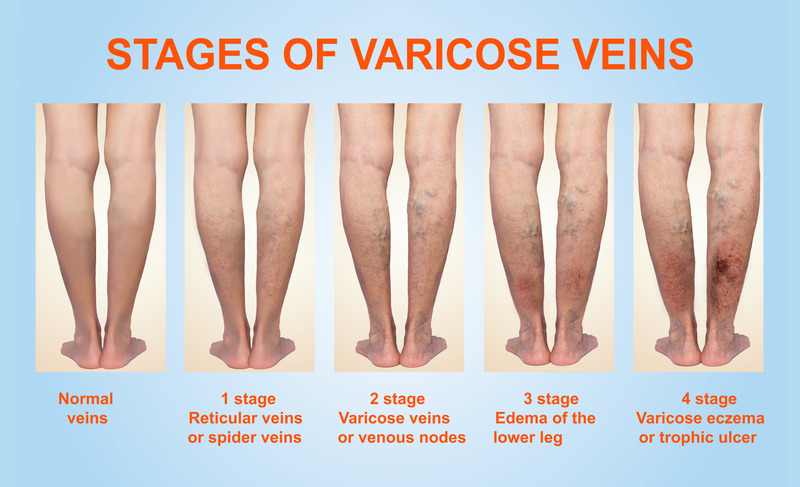
Varicose veins are twisted, enlarged veins that typically appear bulged and knotted just under the surface of the skin. They often develop in the legs and ankles. Varicose veins are usually caused by weakened vein valves which allow blood to pool. Lifestyle measures can help relieve symptoms.
Causes of Varicose Veins
Factors that can promote varicose vein development include:
– Weakened vein valves – Allows blood to flow backward and pool in veins.
– Genetics – Family history increases risk.
– Age – More common over age 50.
– Gender – More frequent in females due to pregnancy and hormone effects.
– Obesity and weight gain – Increased pressure on veins.
– Leg injury – Trauma can damage vein valves.
– Prolonged standing – Blood pools in ankles and calves.
– Hormone changes – Puberty, menopause and pregnancy.
Varicose Vein Symptoms
Symptoms may include:
– Visible, bulging, twisted veins just under the skin surface, usually in the legs
– Pain, aching, heaviness, or cramping in the legs
– Leg swelling, ankles may swell toward day’s end
– Itching and irritation over the veins
– Leg fatigue and restlessness
– Skin discoloration and inflammation around veins
Complications
Complications of varicose veins can include blood clots, skin ulcers, tissue damage, and chronic venous insufficiency. Seek medical advice regarding significant symptoms.
20 Natural Remedies for Managing Varicose Veins
1. Exercise regularly – Movement improves circulation and leg strength.
2. Lose excess weight – Reduces pressure on veins.
3. Avoid prolonged standing or sitting – Take breaks to move and elevate legs.
4. Wear compression stockings – Helps push blood back to heart.
5. Increase dietary fiber – Prevents constipation straining.
6. Limit salt intake – Can help reduce fluid retention.
7. Elevate legs above heart level – Allows blood to flow back to heart.
8. Try horse chestnut seed extract – Shows promise for reducing leg swelling.
9. Massage legs – Helps move blood out of veins.
10. Apply witch hazel pads – Soothe itching and discomfort.
11. Drink plenty of fluids – Stay hydrated to avoid thickening blood.
12. Take supplements – Vitamin C, rutin, and grape seed extract.
13. Stretch legs frequently – Helps improve circulation.
14. Avoid high heels – Can increase pressure on leg veins.
15. Consider acupuncture – May help reduce varicose vein pain.
16. Use compression wraps or bandages – Reduce swelling.
17. Apply cold packs – Can temporarily reduce bulging.
18. Limit caffeine and alcohol – Can aggravate varicose veins.
19. Try vein-toning herbal teas – Options such as hibiscus, ginger, horse chestnut.
20. Quit smoking – Smoking damages blood vessels and circulation.
Discuss treatment options with your doctor such as sclerotherapy injections or endothermal ablation for significant varicose veins. Natural remedies, exercise, and avoiding prolonged standing/sitting can provide symptom relief and support vascular health.